Table of Contents
ToggleA brighter smile can make a noticeable difference in how you feel about your appearance. For people who want to improve the look of their teeth without committing to permanent cosmetic dentistry, removable snap-on veneers have become an increasingly popular option.
One of the most common questions people have before trying them is:
What are Shiny Smile Veneers made of?
Shiny Smile Veneers are described as removable cosmetic veneers made using dental-grade resin. The material is intended to provide a combination of strength, light weight, flexibility, and a tooth-like appearance.
But the material is only one part of the equation. The way the veneers are shaped, fitted, finished, cleaned, and worn also affects the overall experience.
Let’s take a closer look at the material behind Shiny Smile Veneers and what you should know before using them.
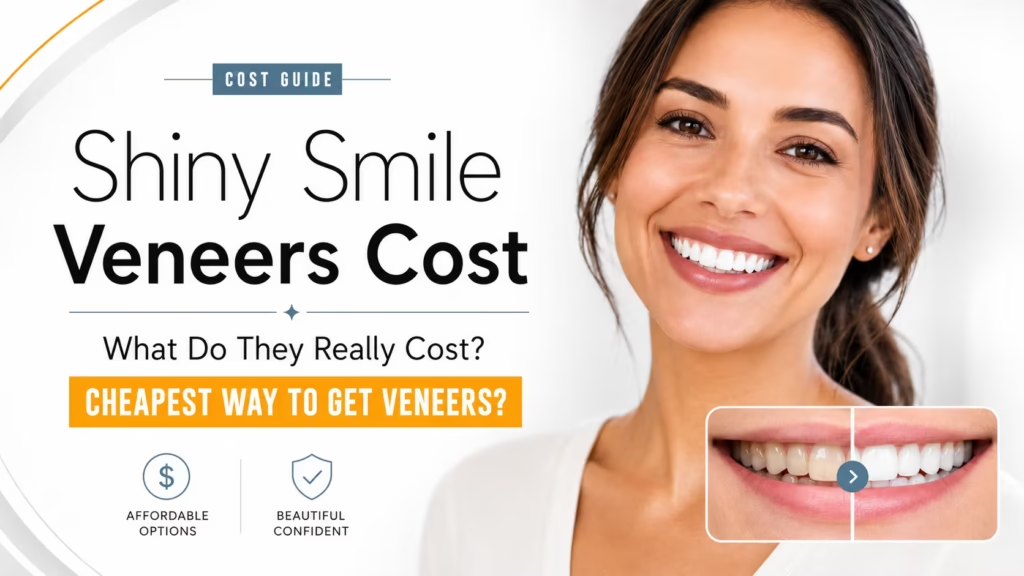
According to information published about the product, Shiny Smile Veneers are made from a dental-grade resin material designed for removable cosmetic use. The resin is shaped into a thin veneer that fits over the user’s existing teeth.
Unlike traditional porcelain veneers, snap-on veneers aren’t permanently bonded to the teeth. They are designed to be placed over the natural teeth and removed when necessary.
The resin material is intended to provide several characteristics that are useful for this type of product:
The exact composition and specifications of any dental appliance should always be confirmed with the manufacturer or dental professional, since materials and product formulations can change.
Read our Shiny Smile Veneers Reviews Alert to learn more about the product, what to consider before using removable veneers, and important factors to review before making a purchase.
Resin is commonly used in various dental and cosmetic applications because it can be shaped and polished into detailed forms.
For a removable veneer, this is particularly useful because the material needs to be thin enough to wear comfortably while still maintaining its shape.
A suitable resin can also be finished to resemble the appearance of natural teeth. Rather than simply creating an extremely white surface, the design can incorporate variations in shape, shade, and surface texture to produce a more natural-looking result.
Yes. One of the biggest differences is the material and method of attachment. Traditional porcelain veneers are custom dental restorations that are bonded to prepared teeth by a dentist. They are intended as a long-term cosmetic treatment. Shiny Smile Veneers, by comparison, are removable cosmetic appliances that sit over the teeth. Here’s a simplified comparison:
| Feature | Shiny Smile Veneers | Porcelain Veneers |
|---|---|---|
| Material | Dental-grade resin | Dental ceramic/porcelain |
| Removable | Yes | No |
| Permanently bonded | No | Yes |
| Dental preparation | Generally designed as a non-invasive cosmetic option | Usually requires tooth preparation |
| Purpose | Cosmetic appearance | Cosmetic restoration |
| Fitting process | Impression/custom fitting | Dentist-designed and professionally placed |
Neither option should automatically be considered suitable for everyone. The right choice depends on your dental condition, goals, budget, and expectations.
The material used to make removable veneers plays an important role in how natural and attractive they look. Since the veneers sit over your existing teeth, their color, surface finish, thickness, and shape can all influence the final appearance of your smile.
A well-finished resin material can be designed to create a smooth, tooth-like surface that reflects light similarly to natural teeth. The goal is generally to provide a brighter, more even-looking smile without making the veneers appear overly artificial.
Several characteristics of the material and design can influence how removable veneers look:
Read our Shiny Smile Veneers Reviews Alert to learn more about the product, what to consider before using removable veneers, and important factors to review before making a purchase.
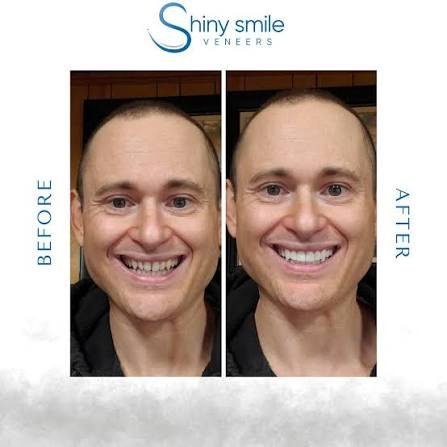
Comfort depends on the fit as well as the material. Because removable veneers sit over your existing teeth, you may notice them when you first begin wearing them. Your tongue may also need some time to adjust to the additional material in your mouth.
Some people may experience an adjustment period with speech or the sensation of having something new over their teeth. If a veneer feels excessively tight, painful, unstable, or causes irritation, it shouldn’t simply be ignored. A dental professional or the manufacturer’s support team can help determine whether the appliance needs adjustment.
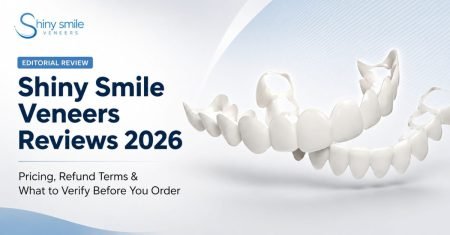
Removable veneers are designed to improve the appearance of your smile without permanently altering your natural teeth. However, whether they are suitable for you depends on the condition of your teeth, gums, bite, and the way the veneers are used.
Before wearing removable veneers, it’s important to make sure you don’t have untreated dental problems such as cavities, gum disease, infections, or significant tooth damage. A cosmetic veneer can cover the appearance of a dental problem, but it cannot treat or repair the underlying issue.
Several factors can influence how comfortable and suitable removable veneers are, including:
It’s also important not to assume that a product is suitable for everyone simply because it is marketed as a cosmetic dental appliance. If you experience persistent pain, gum irritation, swelling, changes in your bite, or significant discomfort while wearing removable veneers, stop using them and consult a qualified dental professional.
Overall, removable veneers can be a cosmetic option for people who want to temporarily change the appearance of their smile, but they should be used according to the manufacturer’s instructions and with appropriate attention to oral health.
The answer depends on the manufacturer’s specific instructions for the particular veneer model. Some removable veneer products are designed for limited eating and drinking, while others may recommend removing them during meals. Even when a product is designed to tolerate normal use, extremely hard, sticky, or hot foods can potentially place additional stress on a removable dental appliance. Always follow the care and usage instructions supplied with your veneers.
Proper cleaning is important because the appliance sits directly over your teeth. A simple maintenance routine can include:
Rinse the veneers with cool or lukewarm water to remove saliva and loose debris.
Use the cleaning method recommended by the manufacturer. Avoid abrasive products that could scratch the surface.
High temperatures can potentially affect the shape of some dental appliances. Unless the manufacturer specifically recommends it, avoid exposing removable veneers to very hot water.
The veneers don’t replace normal oral hygiene. Brush and floss your natural teeth as recommended by your dentist.
When you’re not wearing the veneers, keep them in an appropriate protective case to reduce the risk of damage or contamination.
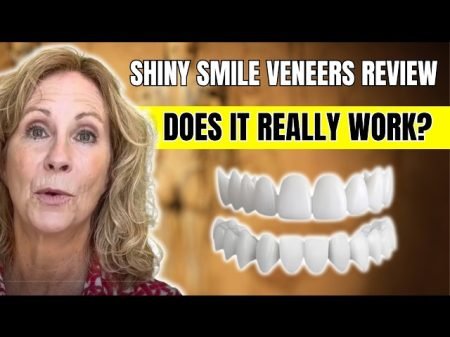
The lifespan of removable veneers can vary from person to person. Unlike permanent dental veneers, which are professionally placed and designed for long-term use, removable veneers can experience wear and tear depending on how often they are worn and how well they are maintained.
Several factors can affect their longevity, including:
Because of these factors, there is no single lifespan that applies to every removable veneer. Rather than assuming that a particular product will last a specific number of months or years, it’s best to follow the manufacturer’s current care and usage instructions.
In general, with proper care and appropriate use, removable veneers can provide ongoing cosmetic use. However, their actual lifespan will depend on the material, fit, frequency of wear, eating habits, and how well they are cleaned and stored.
The biggest difference is that these products serve different purposes.
Removable veneers are primarily intended to change the visible appearance of your smile without permanently altering the teeth.
Traditional veneers are professionally placed dental restorations that can provide a longer-term cosmetic solution but involve a dental procedure.
If your concern involves tooth decay, damaged teeth, gum disease, bite problems, or other oral-health conditions, cosmetic veneers shouldn’t be considered a replacement for dental treatment.
Shiny Smile Veneers are described as being made from dental-grade resin. The material is designed to create a lightweight, removable cosmetic appliance with a tooth-like appearance.
Read our Shiny Smile Veneers Reviews Alert to learn more about the product, what to consider before using removable veneers, and important factors to review before making a purchase.
No. They are designed as removable veneers rather than permanently bonded dental restorations.
No. Shiny Smile Veneers use a resin-based material and are removable, while traditional porcelain veneers are professionally bonded to prepared teeth.
No. Removable cosmetic veneers are designed to improve appearance. They don’t treat cavities, gum disease, infections, or structural dental problems.
Follow the manufacturer’s instructions regarding overnight use. If you aren’t sure, consult the manufacturer or your dentist rather than assuming they are suitable for sleeping.
Use the manufacturer’s recommended cleaning method, rinse them appropriately, avoid abrasive cleaners, and maintain normal brushing and flossing of your natural teeth.
So, what are Shiny Smile Veneers made of?
They are described as removable cosmetic veneers made using dental-grade resin. The material allows the appliance to be lightweight, shaped to the user’s teeth, and finished with a smooth, tooth-like appearance.
However, the material isn’t the only factor that matters. Fit, hygiene, proper use, dental health, and realistic expectations are equally important when considering any removable dental appliance.
If you’re considering Shiny Smile Veneers or another snap-on veneer system, check the manufacturer’s current material and care information and consider discussing the product with a qualified dentist—particularly if you already have dental or gum problems.

Consumer Technology Analyst | Product Reviewer at Innovgadget | Web
Evan Jayne is a dedicated product reviewer and consumer technology analyst with extensive experience evaluating hundreds of products across categories including smart gadgets, home essentials, personal care devices, health products, and lifestyle accessories. Passionate about helping consumers make confident purchasing decisions.